
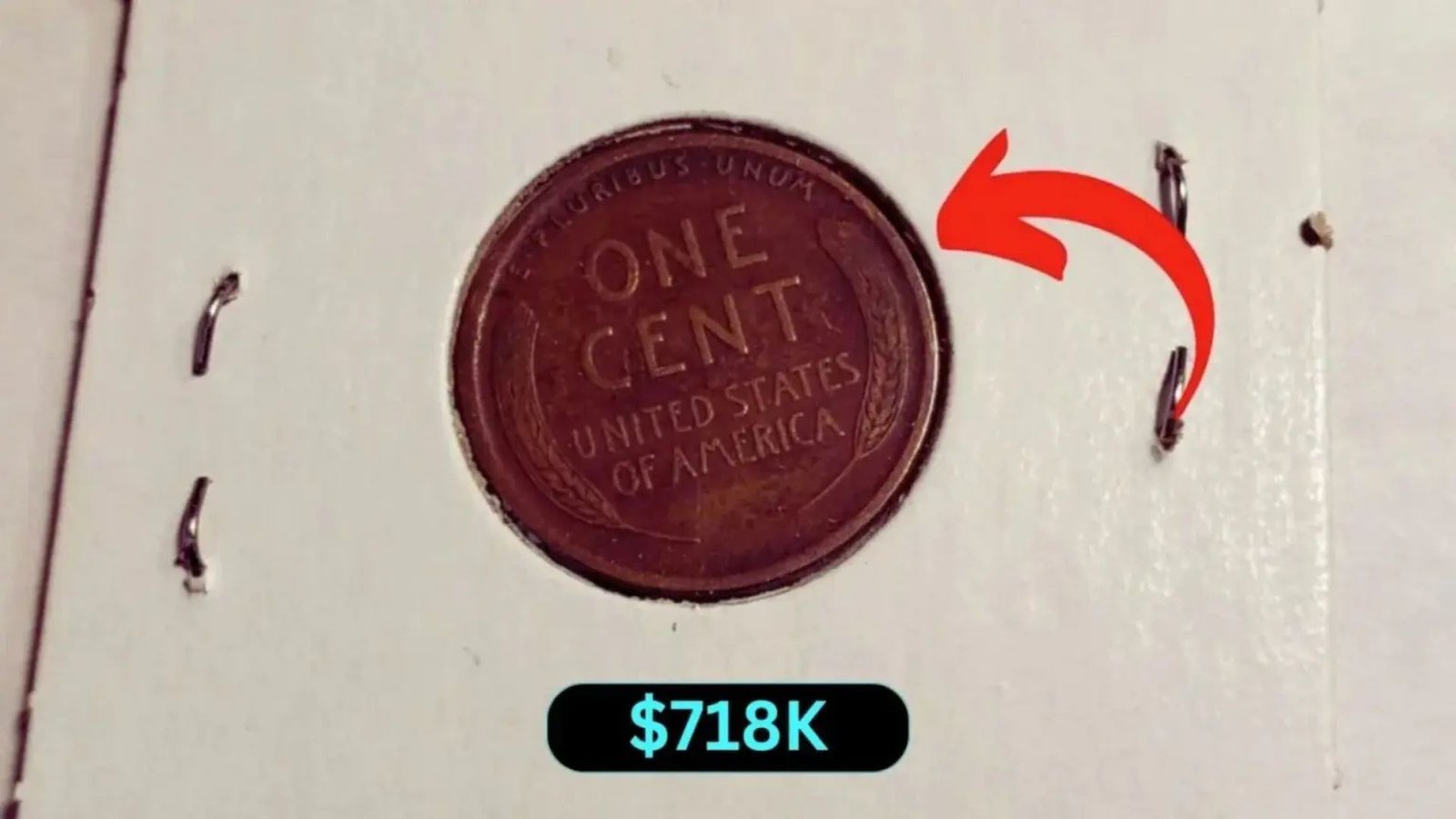
Discover the hidden treasure of the Lincoln Wheat Penny, a rare coin still circulating that could be worth up to $718K! Whether you’re a coin collector or just curious, this guide simplifies the penny’s history, value, and how to spot one. Learn why this small cent holds big value and how to find it.
What Is the Lincoln Wheat Penny?
The Lincoln Wheat Penny is a U.S. cent minted from 1909 to 1958, featuring President Abraham Lincoln on the front and two wheat stalks on the back. Designed by Victor David Brenner, it was the first coin to feature a U.S. president. Its iconic design and historical significance make it a favorite among collectors.
Why Is It Called the Wheat Penny?
The name “Wheat Penny” comes from the two wheat stalks on the reverse side, symbolizing prosperity. These coins were everyday currency for decades, but certain rare versions are now worth a fortune due to their scarcity and unique features.
Why Are Some Wheat Pennies So Valuable?
Certain Lincoln Wheat Pennies fetch high prices because of rare minting errors, limited production years, or unique features. For example, a 1943 bronze penny sold for $718,000 at auction due to its rarity. Most 1943 pennies were made of steel due to wartime copper shortages, making bronze versions extremely rare.
Key Factors That Increase Value
Here are the main reasons some Wheat Pennies are worth so much:
| Factor | Description |
|---|---|
| Minting Errors | Mistakes like double stamping or wrong metal (e.g., bronze instead of steel). |
| Low Mintage | Fewer coins produced in certain years, like 1909-S or 1931-S, increase rarity. |
| Condition | Well-preserved coins with minimal wear are more valuable. |
| Mint Mark | Coins from specific mints (e.g., “S” for San Francisco) can be rarer. |
Rare Wheat Pennies to Look For
Some specific Wheat Pennies stand out for their high value:
- 1943 Bronze Penny: Mistakenly made in bronze instead of steel, worth up to $718K.
- 1909-S VDB: The first Wheat Penny with the designer’s initials, limited mintage, valued up to $100,000.
- 1955 Double Die: Features a doubled image, fetching $1,000-$25,000 depending on condition.
- 1931-S: Low mintage, valued at $100-$10,000.
How to Identify a Valuable Wheat Penny
Finding a valuable Wheat Penny requires checking a few key details. Here’s how to spot one:
Step-by-Step Guide to Spotting a Rare Penny
- Check the Date: Look for key years like 1909, 1931, 1943, or 1955.
- Look for Mint Marks: Find a small “S” or “D” under the date, indicating San Francisco or Denver mints.
- Inspect for Errors: Check for double stamping or unusual materials (e.g., bronze for 1943).
- Assess Condition: Coins in good condition with clear details are worth more.
- Verify Authenticity: Consult a professional or use a coin guide to confirm rarity.
Tools You’ll Need
- A magnifying glass to inspect small details.
- A coin reference book, like the “Red Book” (A Guide Book of United States Coins).
- Access to a professional appraiser for high-value finds.
Where to Find Wheat Pennies
Wheat Pennies are still in circulation, so you might find one in everyday places:
- Pocket Change: Check your loose change or coin jars.
- Bank Rolls: Buy rolls of pennies from banks and sort through them.
- Estate Sales or Flea Markets: Old coin collections may include Wheat Pennies.
- Coin Shows: Connect with dealers who specialize in rare coins.
How to Sell a Valuable Wheat Penny
If you find a rare Wheat Penny, here’s how to cash in:
- Get It Appraised: Visit a reputable coin dealer or appraiser.
- Grade the Coin: Professional grading services like PCGS or NGC assign a condition score.
- Choose a Selling Method:
- Auction houses for high-value coins.
- Online marketplaces like eBay for smaller sales.
- Local coin shops for quick transactions.
- Protect Your Coin: Store it in a protective holder to maintain its condition.
Tips for Coin Collectors
- Start Small: Begin with common Wheat Pennies to learn about coin collecting.
- Join a Community: Connect with local or online coin collector groups.
- Stay Informed: Follow coin market trends to understand value fluctuations.
- Be Patient: Finding rare pennies takes time and persistence.
Conclusion
The Lincoln Wheat Penny is more than just pocket change—it’s a piece of history with the potential for massive value. By learning to spot rare dates, mint marks, and errors, you could uncover a coin worth $718K. Start checking your change, explore coin rolls, and dive into the exciting world of coin collecting. Your next penny could be a treasure!
FAQs
What makes a Lincoln Wheat Penny valuable?
Rare years, minting errors, low mintage, and good condition increase a penny’s value. For example, a 1943 bronze penny is worth up to $718,000 due to its rarity.
Where can I find Wheat Pennies?
Look in pocket change, bank rolls, estate sales, or coin shows. They’re still in circulation, so keep an eye out!
How do I know if my penny is rare?
Check the date, mint mark, and look for errors like double stamping. Use a magnifying glass and consult a coin guide.
How can I sell my Wheat Penny?
Get it appraised, graded, and sell through auction houses, online platforms like eBay, or local coin shops.
Are all Wheat Pennies valuable?
No, most are worth a few cents, but specific years like 1943 bronze or 1909-S VDB can be worth thousands.