
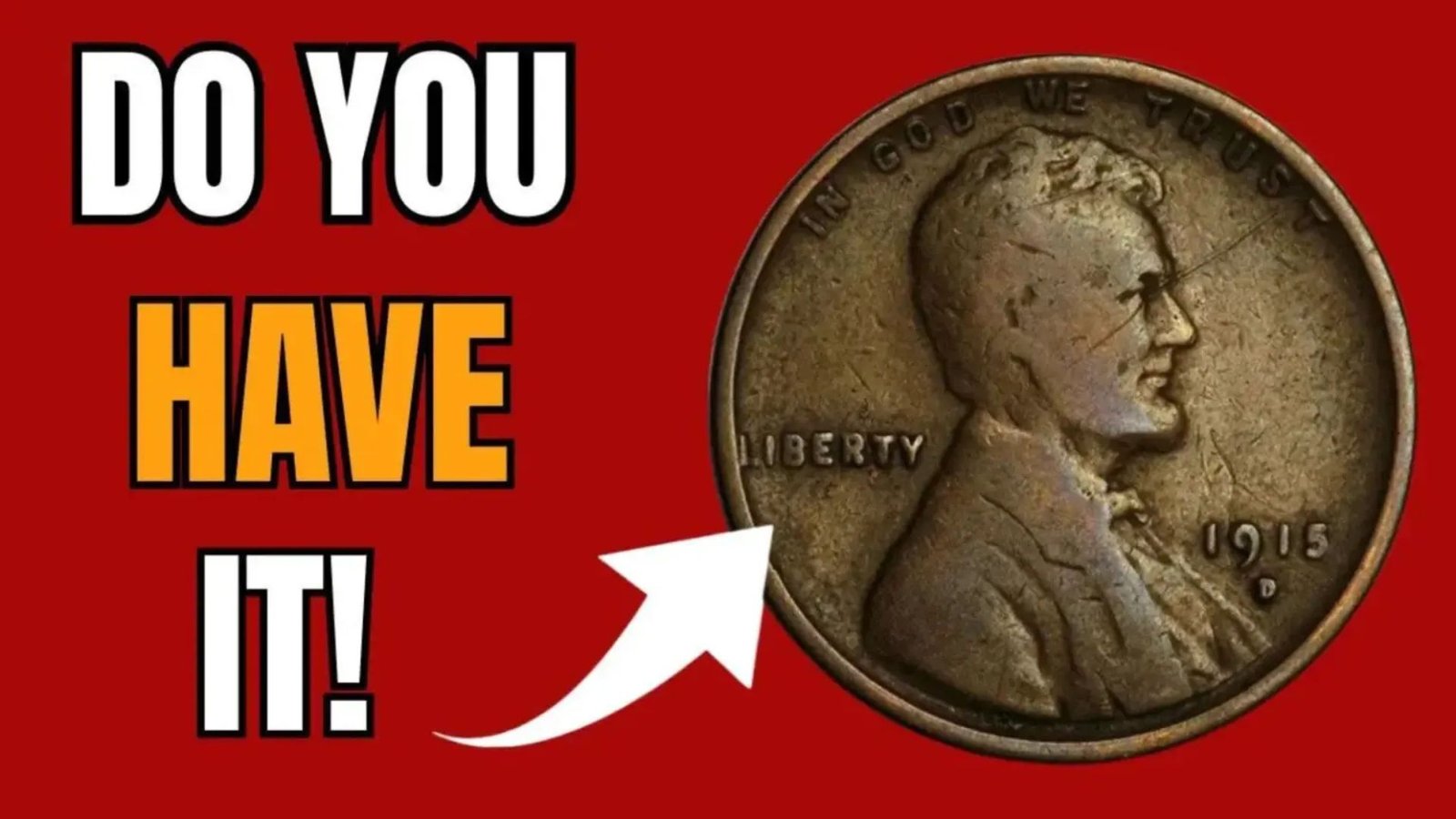
Discover the fascinating world of the Lincoln Wheat Penny, a rare coin that could be hiding in your pocket change! Valued at up to $2.9 million, this iconic penny has captured the hearts of collectors and treasure hunters. Learn its history, key features, and how to spot one in this engaging guide.
What Is the Lincoln Wheat Penny?
The Lincoln Wheat Penny, first minted in 1909, is a beloved piece of American history. Designed by Victor David Brenner, it was created to honor President Abraham Lincoln’s 100th birthday. The coin’s front (obverse) features Lincoln’s portrait, while the back (reverse) showcases two wheat stalks, giving it the “Wheat Penny” nickname.
These pennies were produced from 1909 to 1958, making them a staple in U.S. currency. While most are worth only a few cents, certain rare versions can fetch millions due to their scarcity and unique features.
Why Is It So Valuable?
Some Lincoln Wheat Pennies are worth a fortune because of minting errors, limited production, or specific years. For example, a 1943 bronze penny sold for $2.9 million because most pennies that year were made of steel due to World War II copper shortages. Only a few bronze pennies were accidentally minted, making them incredibly rare.
Key Features to Identify a Valuable Lincoln Wheat Penny
To find a valuable Lincoln Wheat Penny, you need to know what to look for. Here are the main details that make certain pennies stand out:
- Mint Mark: Check the coin’s front, below the date, for a mint mark (S for San Francisco, D for Denver, or no mark for Philadelphia). Rare mint marks, like the 1909-S, increase value.
- Year: Specific years, such as 1943 (bronze) or 1955 (double-die error), are highly sought after.
- Condition: Coins in excellent condition, with clear details and no wear, are worth more.
- Errors: Look for minting mistakes, like double-stamped images or missing letters, which boost value.
Most Valuable Lincoln Wheat Pennies
| Year | Mint Mark | Special Feature | Estimated Value |
|---|---|---|---|
| 1943 | None | Bronze (not steel) | Up to $2.9 million |
| 1909 | S | VDB Initials | $100,000–$600,000 |
| 1955 | None | Double-Die Error | $25,000–$125,000 |
| 1922 | None | No “D” Mint Mark Error | $10,000–$50,000 |
| 1931 | S | Low Mintage | $5,000–$30,000 |
How to Spot a Rare Penny in Circulation
Finding a rare Lincoln Wheat Penny in your change is unlikely but possible. Here’s how to increase your chances:
Step 1: Check the Date and Mint Mark
Look at the year on the penny. Focus on coins from 1909 to 1958, especially rare years like 1943 or 1909-S. Check for a mint mark under the date. A magnifying glass can help you see small details clearly.
Step 2: Examine for Errors
Inspect the coin for unusual features, like doubled letters or numbers (double-die errors). For example, the 1955 double-die penny has noticeably thicker text. Compare your coin to images of known errors online.
Step 3: Assess the Condition
A penny in great condition, with sharp details and no scratches, is more valuable. Avoid cleaning coins, as this can lower their worth. Professional grading services, like PCGS or NGC, can evaluate your coin’s condition.
Step 4: Research and Verify
Use coin guides or consult a numismatist (coin expert) to confirm if your penny is rare. Online resources, like auction records or coin forums, can provide value estimates.
The History Behind the Lincoln Wheat Penny
The Lincoln Wheat Penny was introduced in 1909, marking the first time a U.S. coin featured a real person’s portrait. Victor David Brenner’s design included his initials (VDB) on early coins, but public backlash led to their removal from later versions. The 1909-S VDB penny is now one of the rarest and most valuable.
During World War II, copper was needed for the war effort, so most 1943 pennies were made of steel. However, a few bronze pennies were mistakenly produced, making them collector’s treasures. Other notable years, like the 1955 double-die, resulted from minting errors that created unique coins.
Why Collectors Love It
Collectors are drawn to the Lincoln Wheat Penny for its history, rarity, and beauty. Each coin tells a story, from economic hardships to minting mistakes. The thrill of finding a rare penny in everyday change adds to its appeal, making it a favorite among hobbyists and professionals alike.
Tips for Starting Your Coin Collection
If the Lincoln Wheat Penny sparks your interest, here are some tips to start collecting:
- Learn the Basics: Study coin guides or join online forums to understand key dates and errors.
- Check Your Change: Always inspect pennies in your pocket or coin jars for rare years or mint marks.
- Store Coins Properly: Use coin holders or albums to protect your pennies from damage.
- Connect with Experts: Visit coin shops or shows to learn from experienced collectors.
- Be Patient: Finding rare coins takes time, but the hunt is part of the fun!
Where to Sell a Valuable Lincoln Wheat Penny
If you find a rare penny, you can sell it through:
- Auction Houses: Reputable firms like Heritage Auctions or Sotheby’s handle high-value coins.
- Coin Dealers: Local or online dealers can appraise and buy your penny.
- Online Marketplaces: Platforms like eBay allow you to sell directly, but ensure authenticity to avoid scams.
- Coin Shows: Attend events to meet buyers and get professional appraisals.
Always have your coin authenticated by a grading service before selling to ensure you get a fair price.
Conclusion
The Lincoln Wheat Penny is more than just pocket change—it’s a piece of history that could be worth millions. By learning to spot rare years, mint marks, and errors, you might uncover a treasure in your coin jar. Start your collecting journey today, and who knows? The next penny you find could be a life-changing discovery!
FAQs
What makes a Lincoln Wheat Penny valuable?
Certain years, mint marks, errors (like double-die), or materials (like bronze in 1943) make some pennies rare and valuable.
How can I tell if my penny is rare?
Check the date, mint mark, and condition. Look for errors like doubled text or unusual materials, and consult a coin expert.
Where can I find Lincoln Wheat Pennies?
You might find them in pocket change, coin rolls from banks, or at coin shops and shows.
Should I clean my penny to make it worth more?
No, cleaning can damage the coin and lower its value. Keep it in its original condition.
How do I sell a rare Lincoln Wheat Penny?
Get it graded by PCGS or NGC, then sell through auction houses, coin dealers, or trusted online platforms.