
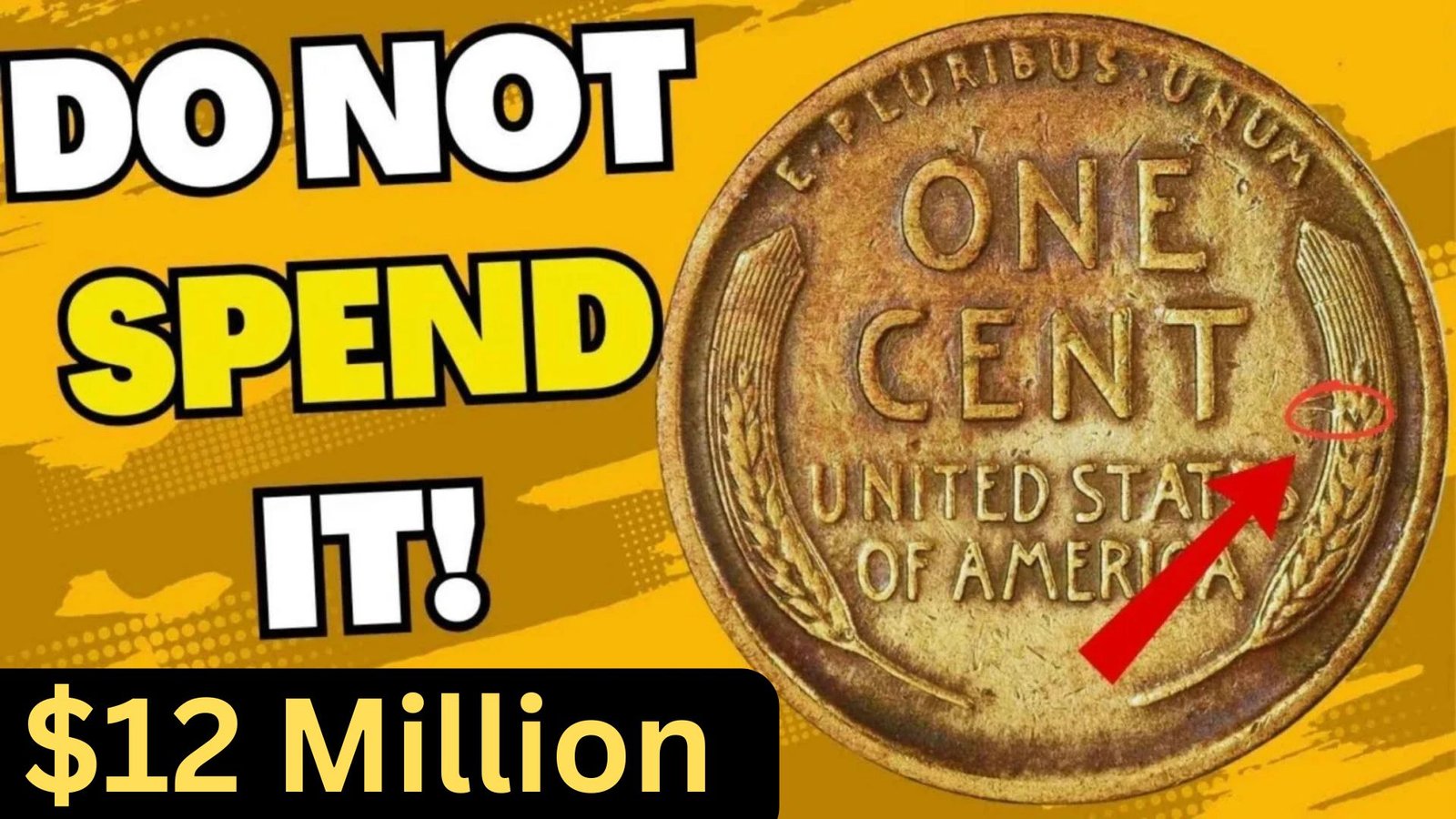
Imagine finding a penny worth $12 million in your pocket change! The Lincoln Wheat Penny, a small coin with a big history, has collectors buzzing. Some rare versions of this iconic penny fetch millions at auctions. But could one still be hiding in circulation? Let’s dive into the fascinating world of this valuable coin and uncover its secrets.
What Is the Lincoln Wheat Penny?
The Lincoln Wheat Penny, first minted in 1909, is a beloved piece of American history. Designed by Victor David Brenner, it features President Abraham Lincoln’s profile on the front and two wheat stalks on the back, giving it the nickname “Wheat Penny.” Produced until 1958, this penny was made to honor Lincoln’s 100th birthday.
Why Are Some Wheat Pennies So Valuable?
Not all Wheat Pennies are worth millions, but certain rare versions are highly prized by collectors. Factors like minting errors, limited production, or historical significance drive their value. For example, a penny with a unique flaw or from a specific year can become a treasure. Collectors pay top dollar for these rarities at auctions.
The $12 Million Penny: Fact or Myth?
Rumors of a Lincoln Wheat Penny valued at $12 million have sparked excitement. While no single Wheat Penny has been confirmed to sell for exactly $12 million, some have fetched jaw-dropping prices. For instance, a 1943 bronze Wheat Penny sold for $1.7 million in 2010, and values have climbed since. Could one be worth $12 million today? It’s possible, depending on its condition and rarity.
Key Rare Wheat Pennies to Know
Here are some of the most valuable Lincoln Wheat Pennies that collectors seek:
| Year | Mint Mark | Rarity Factor | Estimated Value |
|---|---|---|---|
| 1909-S | S | Low mintage | $100,000–$400,000 |
| 1914-D | D | Limited production | $150,000–$350,000 |
| 1922 No D | None | Minting error | $50,000–$500,000 |
| 1943 | None (Bronze) | Error coin | $500,000–$2M+ |
| 1955 | None | Double-die error | $25,000–$125,000 |
These coins are rare because of mistakes during minting, like using the wrong metal or missing a mint mark, or because very few were made.
Are These Pennies Still in Circulation?
The big question: Could a $12 million Wheat Penny still be out there? It’s unlikely but not impossible. Most Wheat Pennies in circulation are common and worth only a few cents. However, rare ones might still be hiding in old coin jars, piggy banks, or even pocket change. Stories of people finding valuable coins in everyday transactions keep the dream alive.
Where Might You Find a Rare Wheat Penny?
- Change from stores: Cash transactions might yield old coins.
- Inherited collections: Family heirlooms could include rare pennies.
- Coin rolls: Banks sell rolls of coins that might contain treasures.
- Flea markets or estate sales: Old coins often surface in these places.
How to Spot a Valuable Wheat Penny
To identify a rare Wheat Penny, check these details:
- Year and Mint Mark: Look at the date and small letter (if any) under it. “S” means San Francisco, “D” means Denver, and no letter means Philadelphia.
- Condition: Coins in pristine condition are worth more. Avoid cleaning them, as it can lower their value.
- Errors: Look for oddities like double-stamped designs or unusual metal (e.g., a 1943 penny that’s not copper-colored).
Use a magnifying glass and compare your coin to images online or in coin guides.
Why Do Collectors Pay So Much?
Collectors love Wheat Pennies for their history, rarity, and beauty. A coin tied to a unique moment in time, like a minting error during World War II, tells a story. The thrill of owning something so rare drives prices sky-high. Auction houses like Heritage Auctions often see fierce bidding for these coins.
The Role of Coin Grading
Coin grading services, like PCGS or NGC, evaluate a coin’s condition on a scale from 1 to 70. A higher grade means better condition and higher value. For example, a 1943 bronze penny in “Mint State” (MS) condition could fetch millions, while a worn one might be worth less.
Tips for Starting Your Coin Hunt
Ready to search for a valuable Wheat Penny? Here’s how to begin:
- Learn the basics: Study key dates and errors using books like A Guide Book of Lincoln Cents.
- Get tools: A magnifying glass and a coin loupe help spot details.
- Join communities: Online forums or local coin clubs offer tips and support.
- Be patient: Finding a rare penny takes time and luck.
Protecting Your Finds
If you think you’ve found a valuable penny, handle it carefully:
- Store it in a plastic coin holder to prevent scratches.
- Avoid touching the surface; hold it by the edges.
- Consult a professional appraiser or grading service for an expert opinion.
Could a $12 Million Penny Be Out There?
While a $12 million Wheat Penny might be a stretch, coins worth hundreds of thousands are still possible finds. The 1943 bronze penny, for example, was a mistake—most 1943 pennies were made of steel due to wartime copper shortages. Only a few bronze ones slipped through, making them incredibly rare.
Real-Life Finds
In 2019, a Massachusetts man found a 1943 bronze penny in his father’s coin collection, valued at over $200,000. Stories like this fuel the hope that a mega-valuable penny could still be in circulation, waiting to be discovered.
Conclusion
The Lincoln Wheat Penny is more than just pocket change—it’s a piece of history with the potential for massive value. While a $12 million penny may be a collector’s dream, rare versions worth thousands or even millions could still be out there. Start checking your change, learn the key dates, and who knows? You might stumble upon a fortune.
FAQs
What makes a Lincoln Wheat Penny valuable?
Rare years, minting errors, or excellent condition can make a Wheat Penny worth thousands or even millions.
How do I know if my penny is rare?
Check the year, mint mark, and any unusual features like double stamping. Compare it to known rare pennies.
Are Wheat Pennies still in circulation?
Yes, but most are common. Rare ones might still appear in change, coin rolls, or old collections.
Where can I sell a valuable penny?
Contact reputable auction houses like Heritage Auctions or get it appraised by PCGS or NGC.
How do I start collecting Wheat Pennies?
Study key dates, join coin clubs, and check places like banks, flea markets, or inherited collections.
1 thought on “The Lincoln Wheat Penny Valued at $12 Million, Still In Circulation?”