
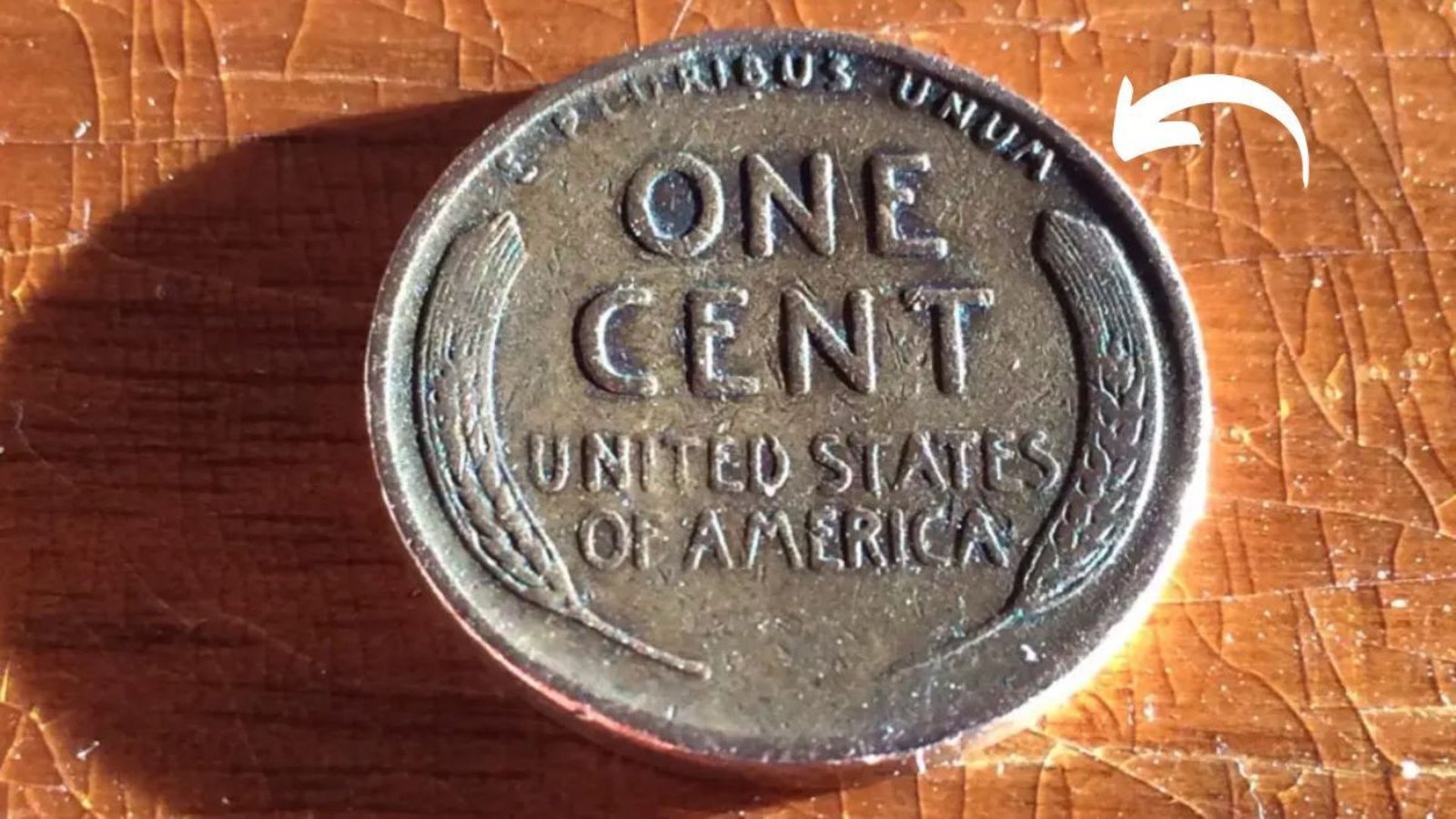
Imagine finding a penny in your change that’s worth more than half a million dollars! The Lincoln Wheat Penny, a small coin with a big history, has some rare versions that collectors crave. One such penny, valued at $630K, might still be hiding in circulation. Read on to discover its story, value, and how to spot it.
What Is the Lincoln Wheat Penny?
The Lincoln Wheat Penny is a U.S. one-cent coin minted from 1909 to 1958. It features President Abraham Lincoln’s profile on the front and two wheat stalks on the back, giving it the “Wheat Penny” name. Designed by Victor David Brenner, this coin is iconic for its historical significance and simple yet elegant design.
Why Is It So Special?
Certain Lincoln Wheat Pennies are incredibly valuable due to their rarity, condition, or unique errors during minting. A specific 1943 version, for example, can fetch up to $630K at auction. These coins are rare because of mistakes made during production or low mintage numbers, making them a treasure for collectors.
The $630K Lincoln Wheat Penny: The 1943 Bronze Error
During World War II, the U.S. Mint switched to steel pennies in 1943 to save copper for the war effort. However, a few bronze pennies were accidentally minted that year, creating one of the rarest coins in U.S. history. These 1943 bronze pennies are the ones valued at $630,000 or more.
How Did the Error Happen?
In 1943, the Mint used steel coated with zinc to make pennies, but a small number of bronze planchets (coin blanks) from 1942 were mistakenly used. This error resulted in a handful of bronze pennies being produced, and only about 15 to 20 are known to exist today.
How to Identify a 1943 Bronze Penny
To spot this valuable coin, check these features:
| Feature | Description |
|---|---|
| Year | Must be 1943 |
| Material | Bronze (not steel) |
| Weight | Approximately 3.11 grams (steel pennies weigh about 2.7 grams) |
| Color | Bronze or reddish-brown (not silver like steel pennies) |
| Mint Mark | Look for “D” (Denver) or “S” (San Francisco); no mint mark means Philadelphia |
Tip: Use a magnet! Steel pennies stick to magnets, but bronze ones don’t.
Other Valuable Lincoln Wheat Pennies
Besides the 1943 bronze error, other Wheat Pennies can also be worth a fortune:
1909-S VDB Penny
- What It Is: The first Wheat Penny, minted in San Francisco with the designer’s initials (VDB) on the back.
- Value: Up to $100,000 in top condition.
- Why It’s Rare: Only 484,000 were made, and the initials were removed later, making it scarce.
1914-D Penny
- What It Is: A penny minted in Denver in 1914.
- Value: Can reach $150,000 in excellent condition.
- Why It’s Rare: Low mintage of just 1.2 million coins.
1922 No D Penny
- What It Is: A 1922 penny from Denver with no “D” mint mark due to a minting error.
- Value: Up to $20,000 or more.
- Why It’s Rare: The mint mark was accidentally left off some coins.
How to Check If Your Penny Is Valuable
Finding a rare penny requires careful inspection. Here’s how to start:
- Look at the Date and Mint Mark: Check the year and mint mark (if any) under the date. Rare dates include 1909-S, 1914-D, 1922, and 1943.
- Examine the Material: Use a magnet to test if it’s bronze or steel for 1943 pennies.
- Check Condition: Coins in better condition (less wear, clear details) are worth more.
- Get It Appraised: Take your penny to a professional coin dealer or grading service like PCGS or NGC.
Where to Find Wheat Pennies
You might stumble upon a Wheat Penny in:
- Pocket Change: Though rare, some are still in circulation.
- Coin Rolls: Buy rolls of pennies from banks and search through them.
- Old Collections: Check family heirlooms or coin jars.
- Flea Markets or Estate Sales: Old coins often turn up in unexpected places.
Why Collectors Love Wheat Pennies
Collectors are drawn to Wheat Pennies for their history and rarity. These coins were minted during significant events like the Great Depression and World War II, adding to their appeal. Their unique designs and the thrill of finding a rare error make them a favorite among numismatists (coin collectors).
Tips for New Collectors
- Start Small: Begin with common Wheat Pennies to learn about grading and value.
- Use a Guidebook: Books like the “Red Book” (A Guide Book of United States Coins) are great resources.
- Join a Club: Connect with local or online coin collecting communities.
- Store Properly: Keep coins in protective holders to prevent damage.
How Much Are Wheat Pennies Worth?
Most Wheat Pennies are worth a few cents to a few dollars, but rare ones can be life-changing. Here’s a quick guide:
| Penny Type | Average Value | High Value (Top Condition) |
|---|---|---|
| Common Wheat Penny | $0.05–$1 | $5–$20 |
| 1909-S VDB | $600–$1,000 | $100,000 |
| 1914-D | $150–$300 | $150,000 |
| 1922 No D | $500–$1,000 | $20,000 |
| 1943 Bronze | $100,000+ | $630,000+ |
Note: Values depend on condition, rarity, and market demand.
Conclusion
The Lincoln Wheat Penny is more than just pocket change—it’s a piece of history with the potential for massive value. The 1943 bronze penny, worth up to $630K, is a dream find for collectors, but other rare versions like the 1909-S VDB or 1914-D are also treasures. Start checking your coins today—you never know what you might discover!
FAQs
What makes a Lincoln Wheat Penny valuable?
Rare dates, minting errors (like the 1943 bronze penny), low mintage, or excellent condition increase a penny’s value.
How can I tell if my 1943 penny is bronze?
Check if it’s non-magnetic (bronze doesn’t stick to magnets), weighs about 3.11 grams, and has a reddish-brown color.
Where can I sell a rare Wheat Penny?
Sell through reputable auction houses, coin dealers, or grading services like PCGS or NGC for the best price.
Are all Wheat Pennies valuable?
No, most are worth a few cents, but specific rare years or errors can be worth thousands or more.
How do I start collecting Wheat Pennies?
Begin by searching pocket change, buying coin rolls, or joining a coin club. Use guidebooks to learn about rare coins.